Table of Contents
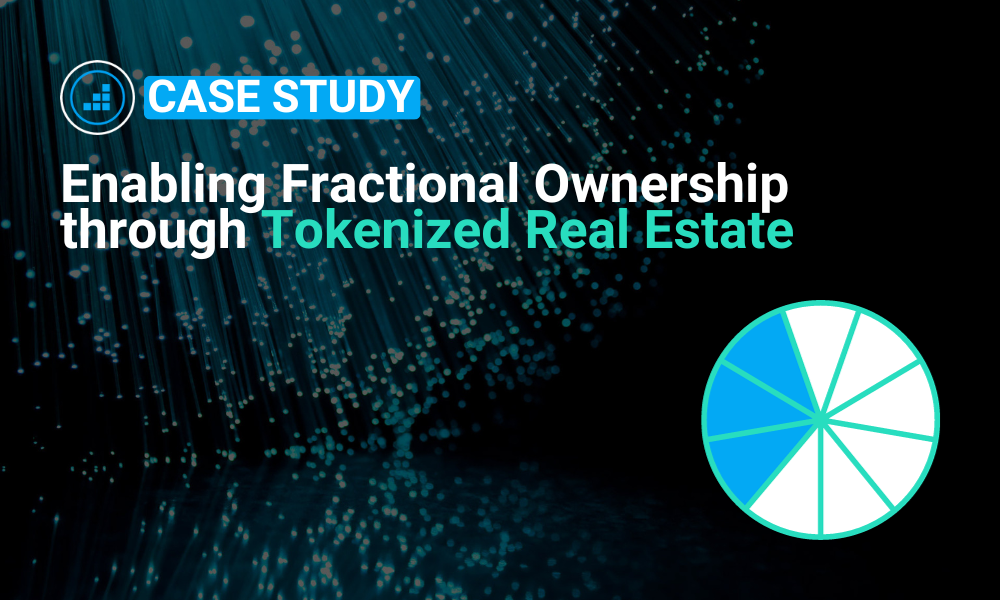
In this case study, we will take a look at how to enable fractional ownership via tokenized real estate using Bitbond Token Tool and Qredo. The real estate industry is undergoing a transformative shift driven by the advancements in blockchain technology and tokenization. Tokenization, the process of converting traditional assets into digital tokens, is unlocking new possibilities for real estate investment, paving the way for fractional ownership and democratizing access to this lucrative market.
Case Study: Streamlining Real Estate Tokenization with Bitbond Token Tool and Qredo
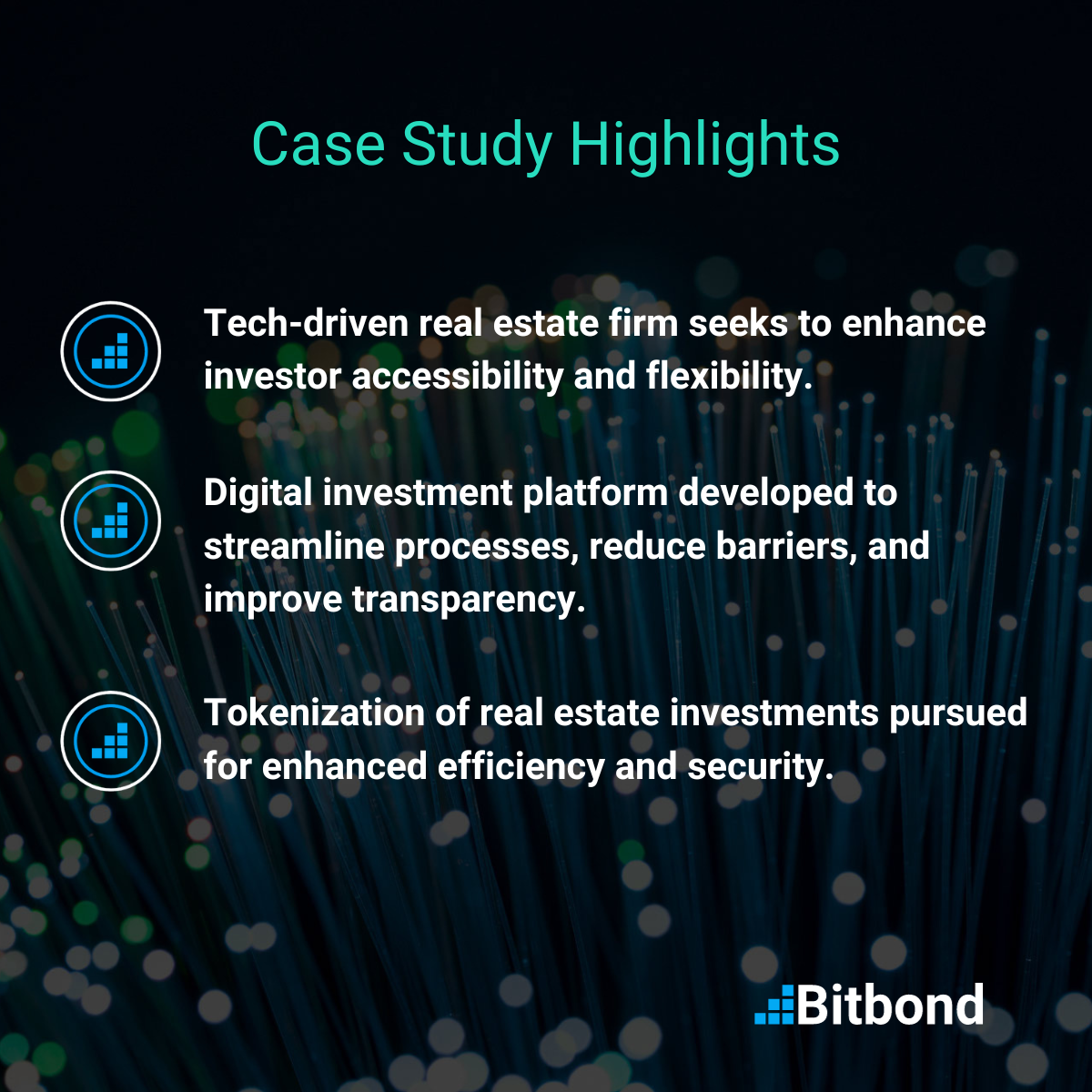
A leading tech-driven real estate investment firm embarked on a journey to tokenize their assets, aiming to enhance accessibility, streamline processes, and elevate transparency for investors. To achieve these goals, they partnered with Bitbond Token Tool and Qredo, leveraging their expertise in tokenization and secure multisig solutions.
The Challenge: Overcoming Complexity and Security Concerns
Tokenizing real estate assets presents a unique set of challenges, particularly when navigating compliance and security requirements. Deploying transactions to specific blockchain networks often involves managing private keys and seed phrases, increasing the risk of human error and potential security breaches. Moreover, in a multi-stakeholder environment like the client’s organization, a secure and efficient solution for account access and transaction signing was paramount.
Qredo and Token Tool: Addressing the Pain Points of Tokenization
Qredo and Token Tool addressed the pain points of transaction signing and tokenization respectively.
Qredo, a crypto wallet designed for enterprise use, provides secure access and transaction signing for multiple users within an organization. It eliminates the need for stakeholders to handle private keys and seed phrases, mitigating security risks. By eliminating the need for stakeholders to handle private keys, Qredo significantly mitigates security risks. Its multisig and DMPC (Deterministic Multi-Party Computation) functionalities further enhance security and governance, requiring multiple parties to approve transactions before execution, minimizing the likelihood of fraud and hacking.
Complementing Qredo’s security focus, Token Tool simplifies the creation and deployment of smart contracts on blockchain protocols. This web3 application empowers users to configure, create, and deploy tokens efficiently, with the added assurance of Certik-audited smart contracts.
By utilizing Token Tool and Qredo, the client successfully carried out the token creation and deployment process without engaging in complex technical procedures. This enabled them to drastically save time and resources. The integration of WalletConnect with Token Tool and Qredo’s custody solutions ensures a seamless connection without the need for extensive software integration.
Realizing the Benefits of Tokenized Real Estate
The integration of Qredo and Token Tool enabled the client to streamline the token creation and deployment process without the burden of complex technical procedures. This resulted in significant time and resource savings, allowing the team to focus on strategic initiatives. The seamless connection between WalletConnect, Token Tool, and Qredo’s custody solutions further streamlined operations, eliminating the need for extensive software integration.
The combination of Qredo and Token Tool yielded tangible benefits for the client, enabling them to offer a secure and user-friendly solution for real estate tokenization. This enhanced platform not only improved efficiency and accessibility but also provided robust security and governance measures to safeguard investors’ assets.
Conclusion: Empowering Fractional Ownership through Tokenization
The client’s successful implementation of Qredo and Token Tool demonstrates the power of leveraging industry-leading solutions to streamline asset tokenization. By relying on these high-end tools, the client has created a secure and accessible platform that facilitates fractional ownership of properties, empowering investors to participate in this dynamic market with greater ease.
Key Takeaways
- Tokenization is revolutionizing real estate investment by enabling fractional ownership and democratizing access to this lucrative market.
- Qredo and Token Tool provide powerful solutions for secure and streamlined tokenization, addressing the challenges of complexity and security.
- The client’s case study highlights the benefits of tokenization, including enhanced efficiency, accessibility, and investor protection.
Tokenized Real Estate: A Paradigm Shift in Real Estate Investment
The emergence of tokenized real estate marks a paradigm shift in the industry, opening doors to a new era of accessibility, flexibility, and transparency. By leveraging the power of blockchain technology, investors can now participate in real estate ownership with unprecedented ease, unlocking a world of opportunities.
Learn how to easily create a token with Token Tool in combination with Qredo via WalletConnect: